About the AUTOWORK project
Work—and the ability to work—defines our human nature. But the nature of that work is changing.
AUTOWORK is an international research project funded by the Norwegian Research Council, with Norwegian and Australian researchers studying the future of work. Whether humans are replaced by machines or find themselves working alongside or within machine systems, automation transforms working life, the role of workers, the labor market, and society at large. Our main goals are to learn about and provide solutions to societal changes arising from the automation, digitalization, and robotization of work-life. We will pay special attention to diversity and inclusion and aim to ensure that the work of the future is meaningful for workers.
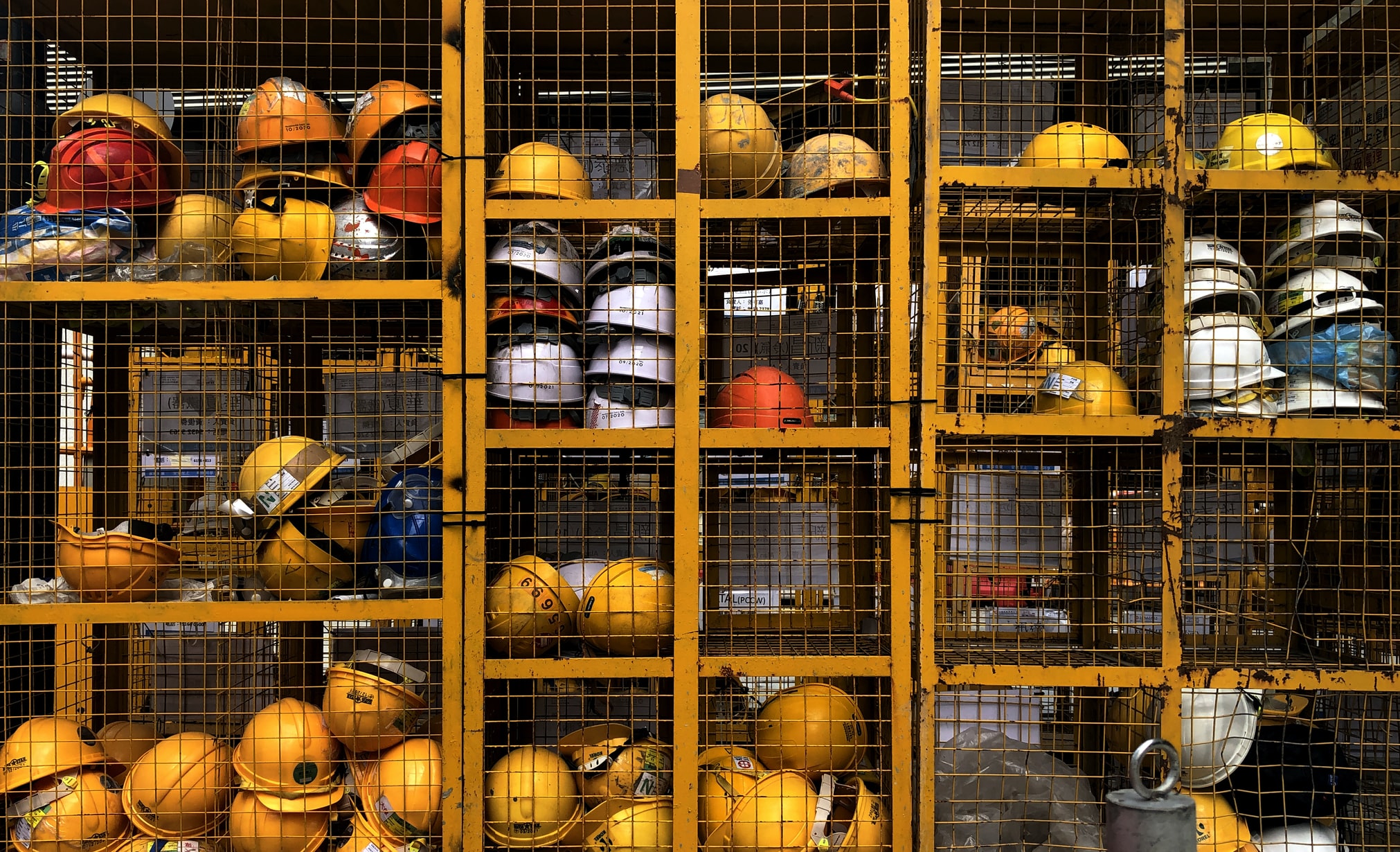
We will focus on three sectors poised to be profoundly affected by automation: Building, Sale and Service, and Healthcare.
The experiences and opinions of human workers will stay at the center of discussions surrounding automation. Workers will be interviewed at their workplace, where they can describe their work and how it is meaningful in relation to existing levels of automation.
The project will also feature Future Scenarios Workshops where workers, unions, managers, and technology designers together share what they imagine the future of the automation of work to be. They will allow participants to reflect on how these future scenarios may be sensed, their ethics, the gender and power relationships they may entail, and the regulatory frameworks they may require.
Why Norway and Australia?
Jobs are at risk for automation everywhere, and Norway and Australia are no different. Over the next 10-15 years it’s estimated that 25–33% of Norwegian and 40% of Australian jobs may be replaced by machines. Norway and Australia both have one of the most specialized, highest paid, and digital workforces in the world. Both have developed technological infrastructure and are positioned to become early adopters of new forms of automation.
However, Norway and Australia have unique worker contexts, with different levels of unionization, different social safety nets, and an increasing privatization of social and health services. The challenges of automation may be similar, but examining them in two countries allows us to see how the processes may play out differently for workers in different contexts.
Cross-cutting themes
We will pay special attention to four cross-cutting themes that can be the basis for action by policymakers and further research. These themes are:
- Deskilling and reskilling: What skills are in danger of being lost by workers, and what skills will they need to develop?
- Future everyday work practices: How can workers across sectors accommodate and trust new automated technologies?
- Gender: How will future work life be gendered?
- Worker communities: How can we enhance workplace communities and organization of workers in the future?
The AUTOWORK Research Team
The AUTOWORK project is an interdisciplinary and international research project between NTNU Social Research, four departments at NTNU Norwegian University of Science and Technology led by the Department of Social Anthropology and Monash University in Melbourne, Australia.
Norway
Australia
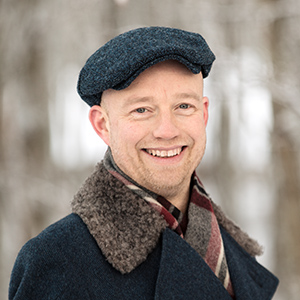
Project coordinator and Building research coordinator
Håkon is an Associate Professor in social anthropology at NTNU. His wide-ranging research interests including robotization and digitization, control rooms and presence, and collaborative processes and dialogue in working life. Håkon is the project coordinator of AUTOWORK and coordinates the building sector research.
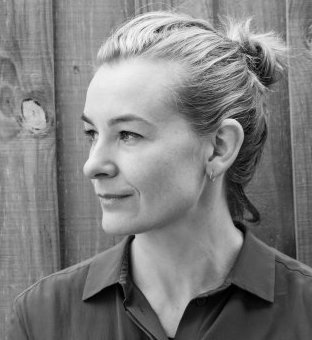
Sale and Service research coordinator
Aneta is a Senior Lecturer in Communications and Media Studies, in the School of Media, Film and Journalism at Monash University. Her interdisciplinary research has engaged media and everyday life, social inclusion, consumption, and environmental sustainability and has worked widely with commercial, academic, and non-profit partners. Aneta coordinates the sale and service sector research.
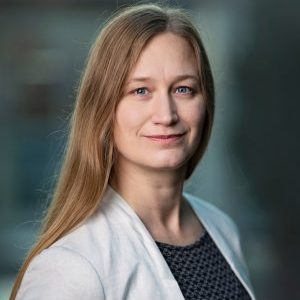
Healthcare researcher
Gunhild is an Associate Professor in the Department of Sociology and Political Science at NTNU. Her research interests include medical sociology and welfare policy, and technology and digitalization in the healthcare sector. Gunhild is a member of the healthcare research team of AUTOWORK.
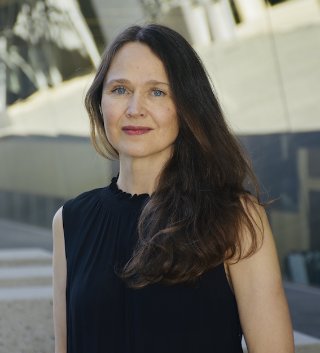
Cross-cutting research coordinator
Sarah is a Professor in the Departments of Human Centred Computing and Design at Monash University. She is also the Director of the Emerging Technologies Research Lab, which undertakes critical interdisciplinary and international research into the social, cultural and experiential dimensions of the design, use and futures of new and emerging technologies. Her research focuses on emerging intelligent technologies, automation, data, digital futures, safety and design for wellbeing. Sarah is coordinating cross-cutting research across all AUTOWORK sectors.
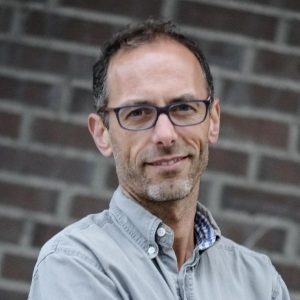
Healthcare research coordinator
Artur is a Professor in the Department of Neuromedicine and Movement Science at NTNU. He is also Director of the Immersive Technology and Social Robotics (IMRO) Lab, a multidisciplinary meeting hub for researchers and industry across healthcare, IT and social sciences. His research is centered on the design and implementation of robotic and AI technologies in healthcare, especially in care for older adults. In addition to their clinical efficacy, he studies the effects these technologies have on users, informal caregivers, and workers. Artur is coordinating the healthcare research in AUTOWORK.
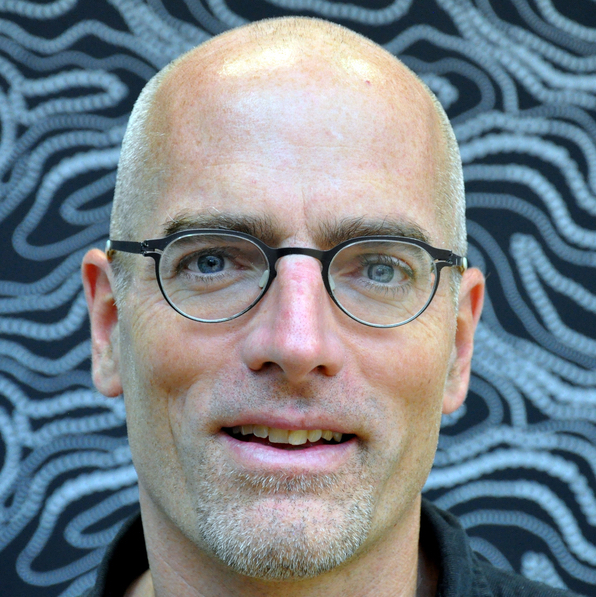
Sale and Service researcher
Mark is a Professor of Communication and Media Studies at Monash University. His research interests encompass digital media, surveillance and data mining in the digital era. He is particularly interested in social forms of sorting and automated decision making associated with the online economy. Mark is a member of the sale and service sector research team in AUTOWORK.

Communication and dissemination coordinator
Roger is an Associate Professor at the Department of Interdisciplinary Studies of Culture at NTNU. His research interests include the robotization of gerontechnologies, transport and agriculture; the automation of work and practices; and the digitalization of society and social media. He is involved in research across all three AUTOWORK sectors and coordinates communication and dissemination efforts. He co-leads the Digitalization and Robotization of Society research group at NTNU.
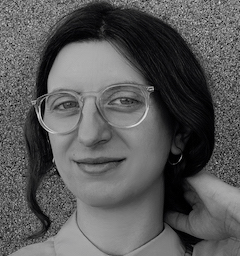
Healthcare researcher
Debora is a Research Fellow at the Department of Human Centred Computing at Monash University currently based in Barcelona. Her research interests include novel technologies in the healthcare industry and anthropological research with healthcare workers. Debora is a member of the healthcare research team of AUTOWORK.
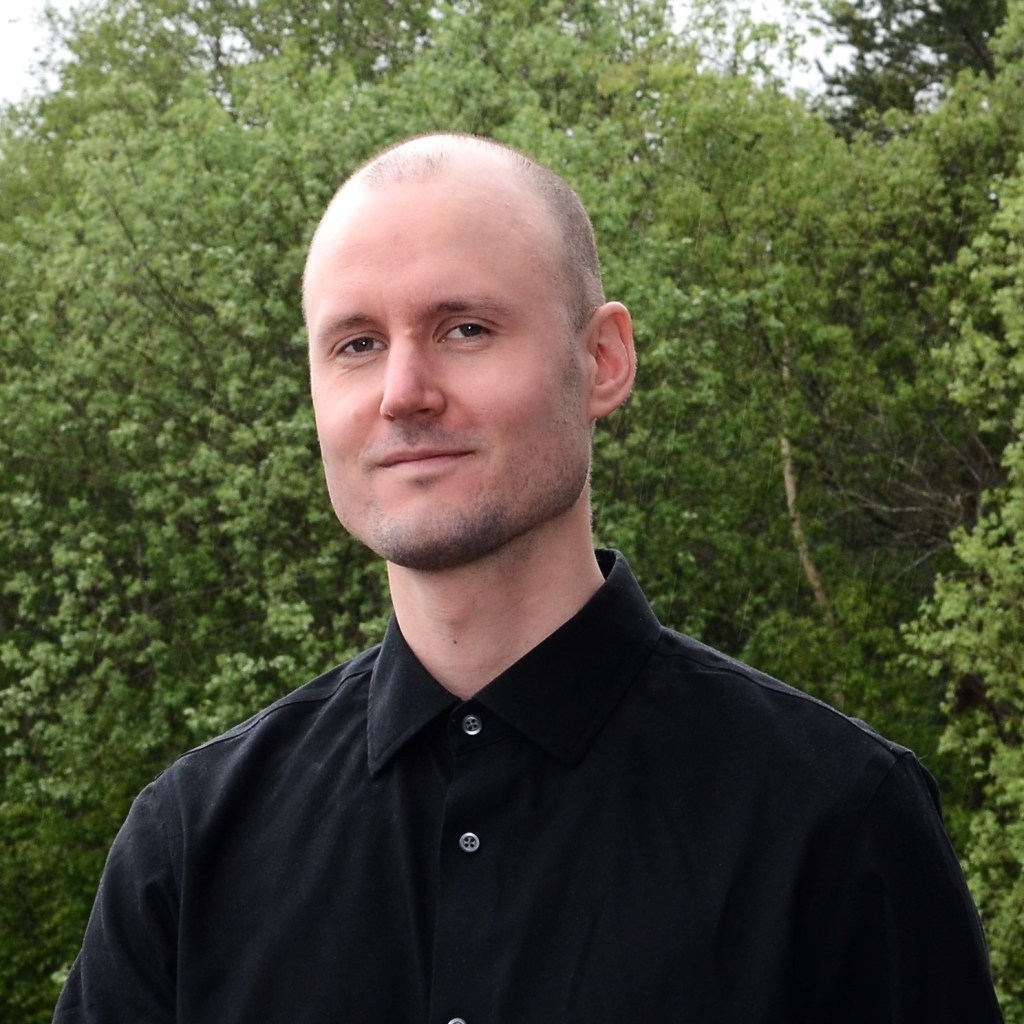
Kristoffer Nergård
PhD Fellow
Kristoffer is a PhD Fellow at NTNU Social Research in the Apertura Studio. His is a social scientist who also has interests in carpentry and improv theater. He is completing his PhD research as part of the building sector research team in AUTOWORK, with a special interest in data collection at building sites.

Bianca Valentine
Communications coordinator
Bianca is a digital communications specialist at Monash and is coordinating communication efforts for the Australian research team.

State of the art researcher
Eric is a professor in the Department of Computer Science at NTNU. His primary field of interest is the digitalization of organizations including challenges of integration, change and standardization. He is particularly interested in the interplay between “technical” and non-technical design decisions especially in large-scale (“infrastructural”) projects. Eric is a member of the state of the art research team in AUTOWORK.

Project Administrator
Mark is a Senior Advisor at the Department of Neuromedicine and Movement Science and the Department of Interdisciplinary Studies of Culture at NTNU. He provides administrative support to the AUTOWORK project in addition to several other research projects funded by the Norwegian Research Council and European Union. He also provides guidance in submitting research funding applications to the EU. His has a background in South Asian studies, and his current interests are at the intersections of robotics, ethics and spirituality.

PhD fellow
Paulina is a PhD fellow in the Emerging Technologies Research Lab at Monash University. She is an industrial designer, creative and cultural strategist, university teacher and researcher with experience in creative disciplines and social innovation
 AUTOWORK